


{[ translations.title]}
{[ translations.subtitle]}
{[ translations.countrySelectLabel]}
{[ translations.selectLabel ]}
{[ currentCountry?.name ]}
{[ translations.countrySelectTitleLocalizations]}
International
Mexico
United States
{[ translations.countrySelectTitleCountries]}
Afghanistan
Albania
Algeria
American Samoa
Andorra
Angola
Anguilla
Antigua & Barbuda
Argentina
Armenia
Aruba
Australia
Austria
Azerbaijan
Bahamas
Bahrain
Bangladesh
Barbados
Belarus
Belgium
Belize
Benin
Bermuda
Bhutan
Bolivia
Bosnia & Herzegovina
Botswana
Brazil
British Virgin Islands
Brunei
Bulgaria
Burkina Faso
Burundi
Cambodia
Cameroon
Canada
Cape Verde
Cayman Islands
Central African Republic
Chad
Chile
China
Christmas Island
Cocos (Keeling) Islands
Colombia
Comoros
Congo - Brazzaville
Congo - Kinshasa
Cook Islands
Costa Rica
Croatia
Cuba
Cyprus
Czechia
Côte d’Ivoire
Denmark
Djibouti
Dominica
Dominican Republic
Ecuador
Egypt
El Salvador
Equatorial Guinea
Eritrea
Estonia
Eswatini
Ethiopia
Falkland Islands
Faroe Islands
Fiji
Finland
France
French Guiana
French Polynesia
Gabon
Gambia
Georgia
Germany
Ghana
Gibraltar
Greece
Greenland
Grenada
Guadeloupe
Guam
Guatemala
Guinea
Guinea-Bissau
Guyana
Haiti
Honduras
Hong Kong SAR China
Hungary
Iceland
India
Indonesia
Iran
Iraq
Ireland
Isle of Man
Israel
Italy
Jamaica
Japan
Jersey
Jordan
Kazakhstan
Kenya
Kiribati
Kuwait
Kyrgyzstan
Laos
Latvia
Lebanon
Lesotho
Liberia
Libya
Liechtenstein
Lithuania
Luxembourg
Macao SAR China
Madagascar
Malawi
Malaysia
Maldives
Mali
Malta
Marshall Islands
Martinique
Mauritania
Mauritius
Mayotte
Micronesia
Moldova
Monaco
Mongolia
Montenegro
Montserrat
Morocco
Mozambique
Myanmar (Burma)
Namibia
Nauru
Nepal
Netherlands
New Caledonia
New Zealand
Nicaragua
Niger
Nigeria
Niue
Norfolk Island
North Korea
North Macedonia
Northern Mariana Islands
Norway
Oman
Pakistan
Palau
Palestinian Territories
Panama
Papua New Guinea
Paraguay
Peru
Philippines
Poland
Portugal
Puerto Rico
Qatar
Romania
Russia
Rwanda
Réunion
Samoa
San Marino
Saudi Arabia
Senegal
Serbia
Seychelles
Sierra Leone
Singapore
Slovakia
Slovenia
Solomon Islands
Somalia
South Africa
South Korea
Spain
Sri Lanka
St. Barthélemy
St. Helena
St. Kitts & Nevis
St. Lucia
St. Pierre & Miquelon
St. Vincent & Grenadines
Sudan
Suriname
Sweden
Switzerland
Syria
São Tomé & Príncipe
Taiwan
Tajikistan
Tanzania
Thailand
Timor-Leste
Togo
Tokelau
Tonga
Trinidad & Tobago
Tunisia
Turkey
Turkmenistan
Turks & Caicos Islands
Tuvalu
U.S. Virgin Islands
Uganda
Ukraine
United Arab Emirates
United Kingdom
Uruguay
Uzbekistan
Vanuatu
Vatican City
Venezuela
Vietnam
Wallis & Futuna
Western Sahara
Yemen
Zambia
Zimbabwe
{[ translations.langSelectLabel]}
{[ currentLocalizationLang?.name ]}
{[ localization.label ]}
{[ translations.errors.invalidDate ]}
{[ translations.errors.invalidAge ]}
{[ translations.errors.invalidDate ]}
{[ translations.errors.invalidAge ]}
{[ translations.locationMessage ]}

{[ translations.legalDisclaimer]}

Homeangle_rightCraft
The making of

Ancho Reyes

Ancho Reyes and Ancho Reyes Verde liqueurs are handcrafted using chiles native to Puebla.
We utilize the time-honored techniques for making menjurjes mastered by artisans in 1920’s Puebla.
Discover Ancho Reyes and how it’s made.

Grown

Our ancho chiles have been grown by Mexican farmers in the fertile volcanic soil in Puebla for generations. The chiles grow for nine months in their natural climate before being harvested which creates the rich chile taste. After harvest, the soil is then rested for three years before chiles are grown again.

Illustration Popocatepetl volcano

Hand picked

One by one, each chile is individually hand-selected for quality. For Ancho Reyes Verde, the chiles are harvested earlier, while green.
For Ancho Reyes Original, the chiles are harvested later, once they’ve matured and turned red.

Illustration hand picked chile

Sundried ancho

For Ancho Reyes Original, the chiles are sun-dried for between 15 to 20 days to become ancho chiles, transforming their vegetal notes into rich, baking spice like notes.
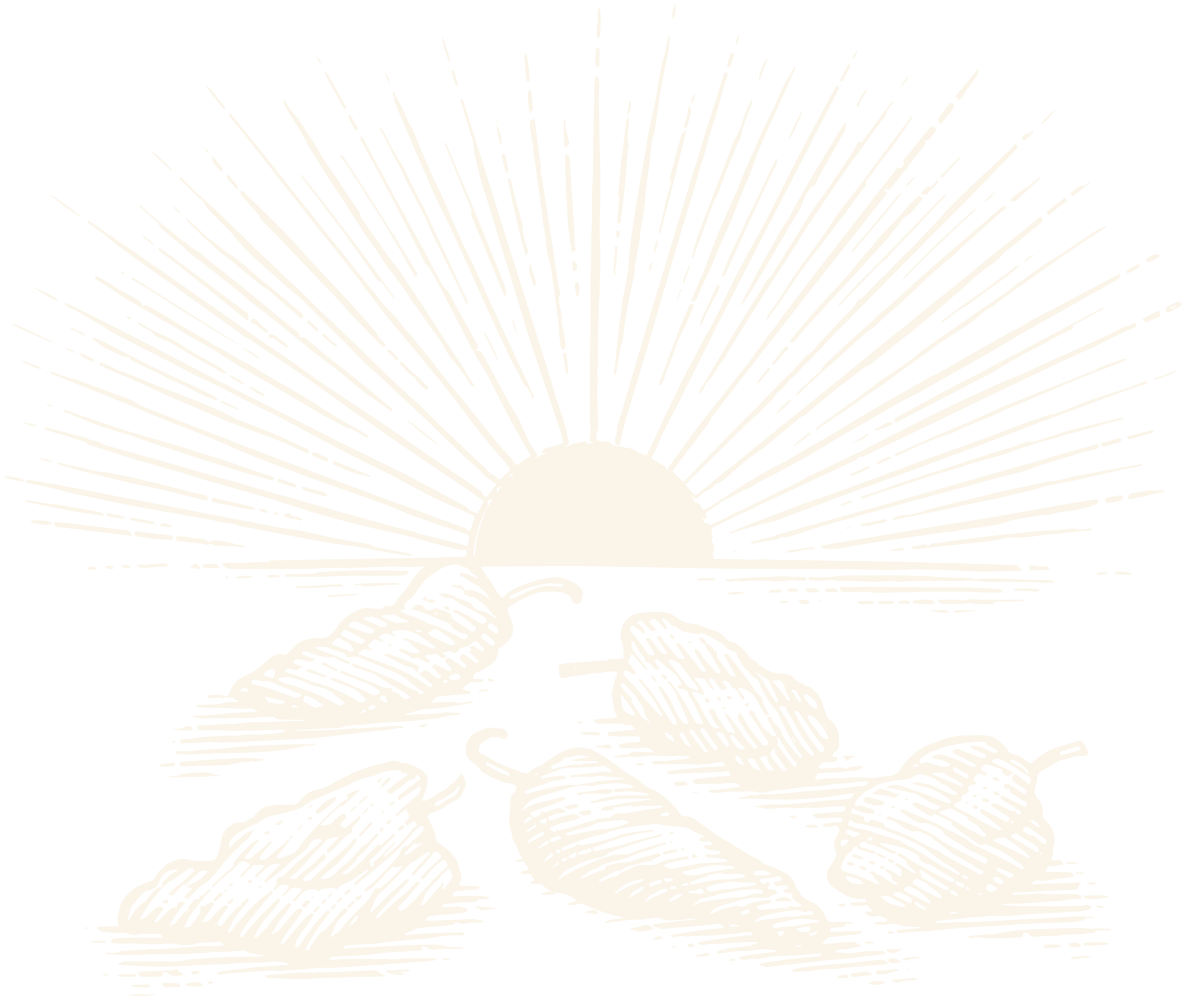
Illustration sun drying

FIRE ROASTED VERDE

For Ancho Reyes Verde, a portion of the chiles are fire roasted to harness their fresh, bright and crisp flavors.
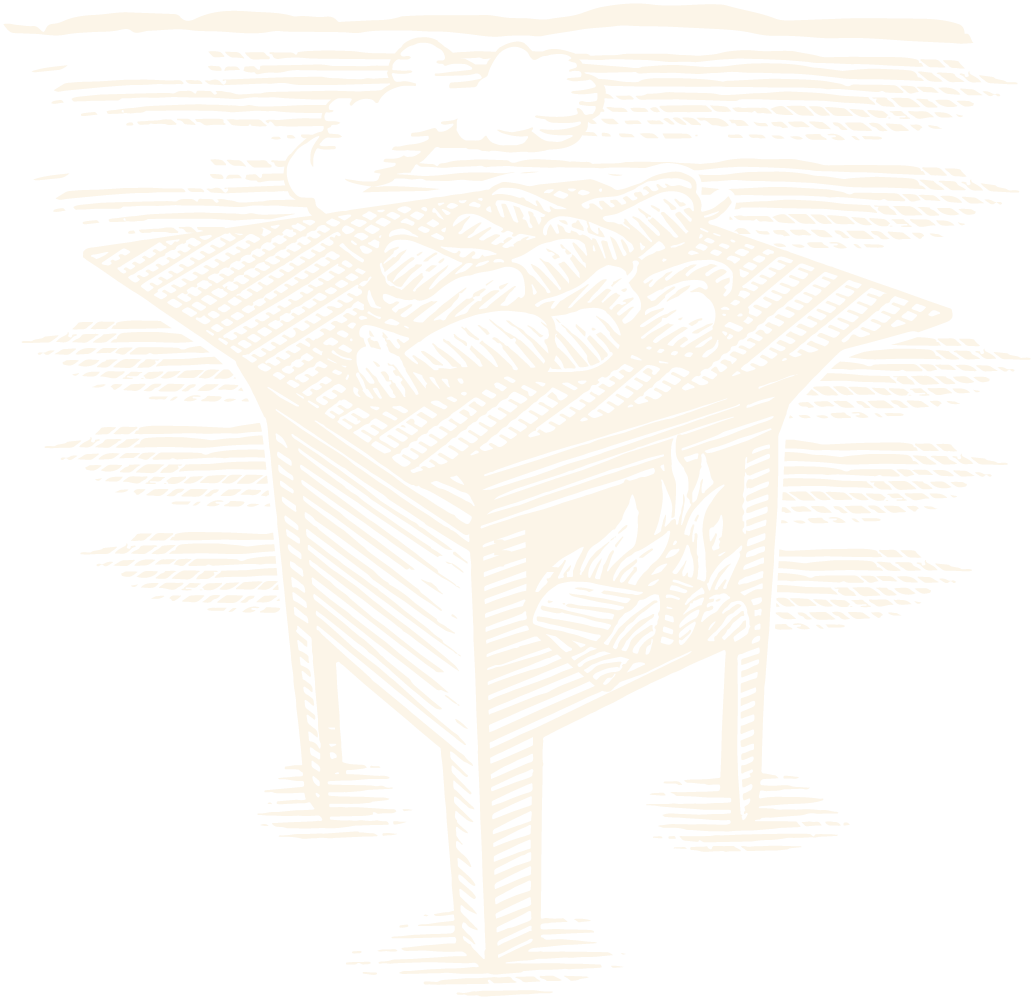
Illustration BBQ

Preparation

The chiles used in Ancho Reyes Verde are mashed. The ancho chiles used in Ancho Reyes Original are scissor-sliced by hand, a painstaking, time-consuming process that ensures that we use only the finest chiles.

Illustration

Macerated

For half a year, the chiles are left to soak in small vats of neutral cane spirit from Veracruz, Mexico.

Illustration

Blended

Imbued with chile flavor, the resulting liquid is then hand-blended by our Maestra Maceradora - or Master Blender, to maintain consistent flavor and spice.

Illustration

Rested

The mixture then rests, allowing the flavors to combine perfectly before being bottled.
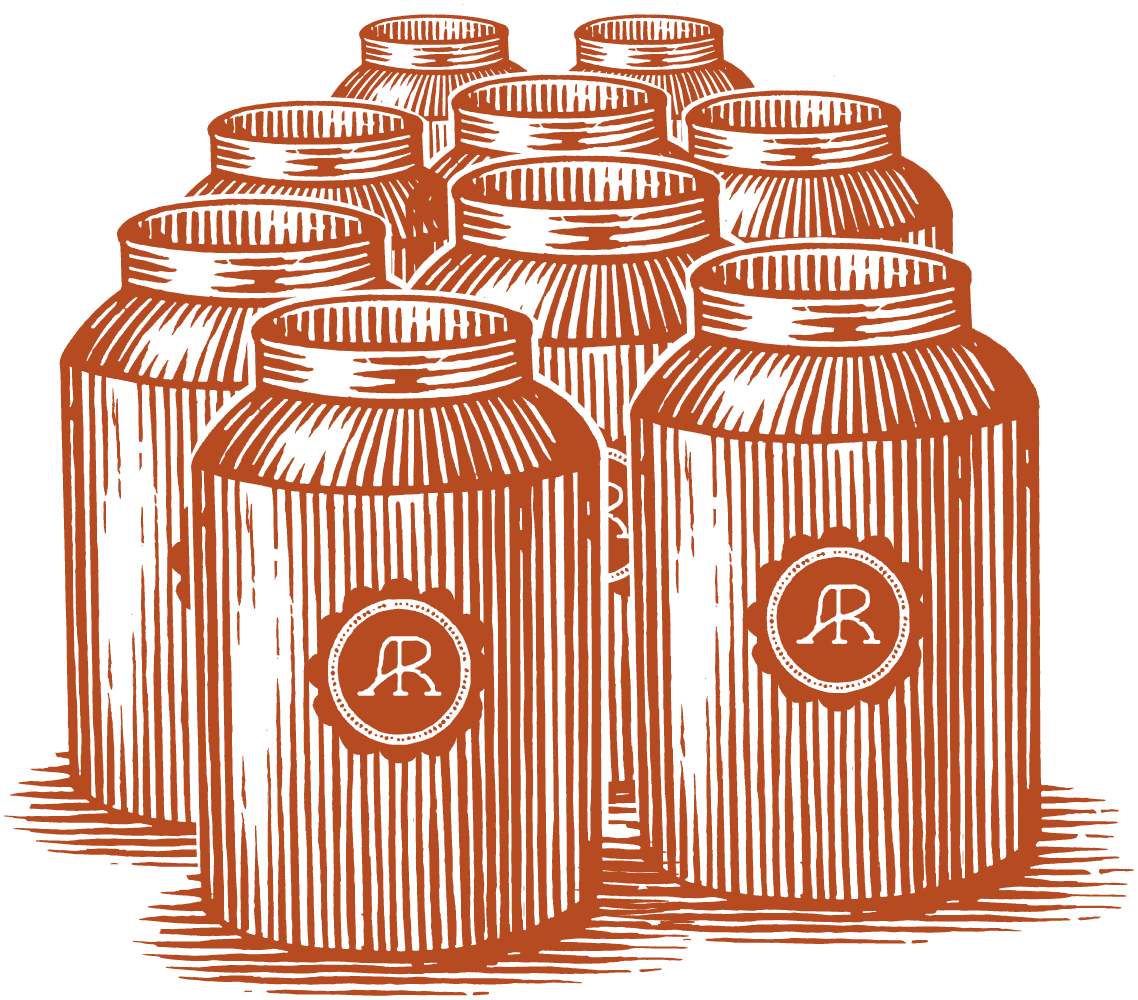
Illustration

Bottled

Once ready, the liqueur is bottled.
Each bottle is inspected individually then hand labeled according to tradition.
This is how Ancho Reyes liqueurs are made.
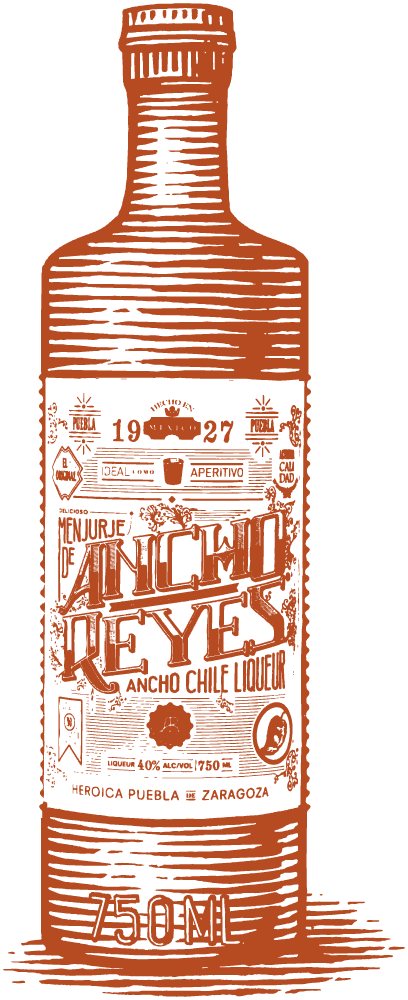
Illustration
BUY NOW
Location
icon toggle
Select product
Where are you?